Before you offer that generous trade-in incentive, read this
Sizeable rebates can backfire because consumers save the money and upgrade less, according to new marketing research.
Durable goods manufacturers of products such as appliances, smartphones, electronics, and motor vehicles usually have product lines with an upgrading path for customers as they make replacement choices. Sales and marketing teams’ want to encourage consumers to upgrade faster or, even better, to buy more expensive products.
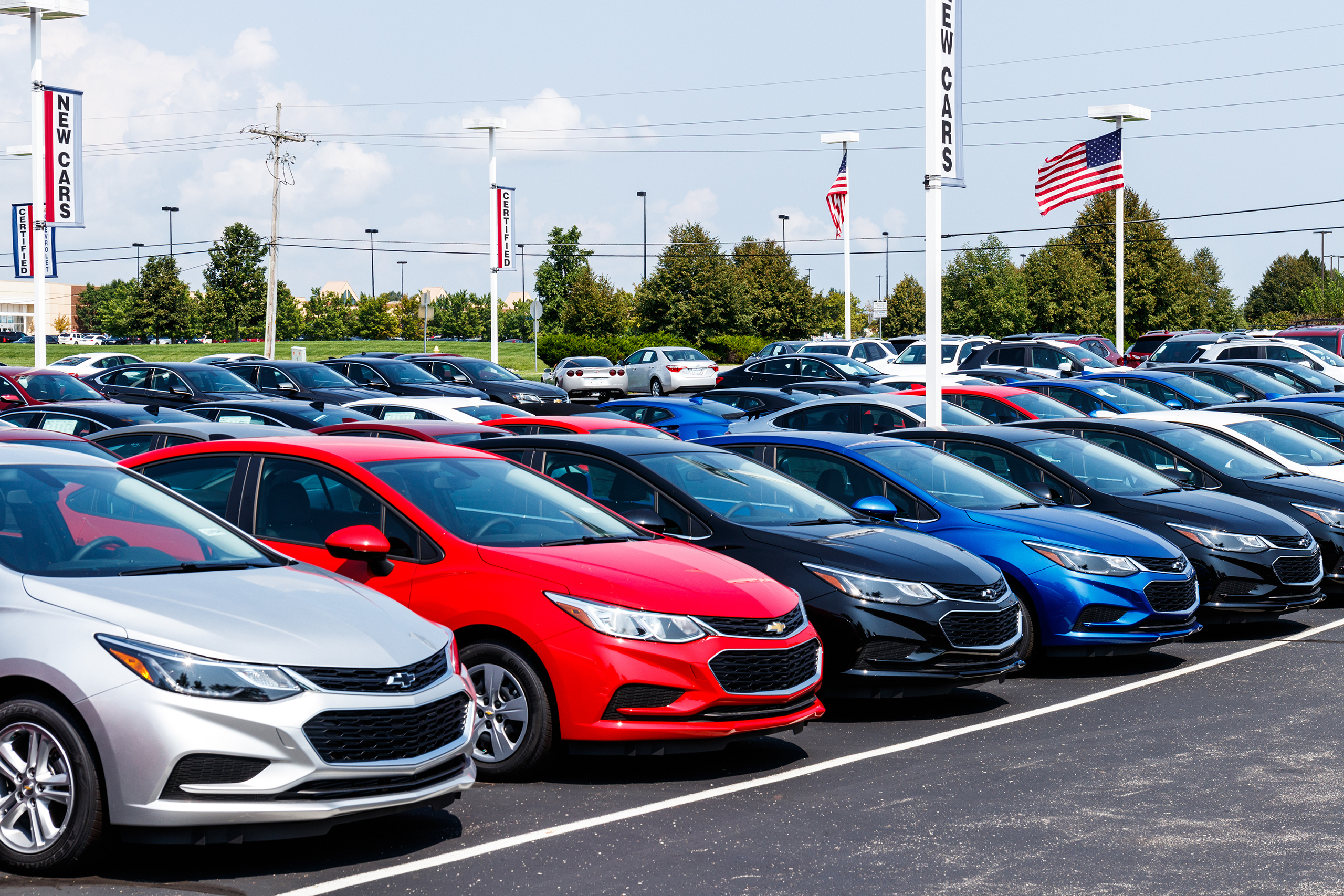
That's why car dealerships use trade-in incentives, special offers common in the automotive industry. Automobiles are expensive to purchase, and consumers are keeping them longer than ever — up to 79.3 months on average in the U.S. These factors made the automotive industry the perfect environment for W. P. Carey marketing professors and their co-author to study to understand how trade-in incentives work.
In an article Feb. 22, 2019, on the American Marketing Association:
When consumers buy products, they engage in a process called mental accounting whereby they consider how much value they have received from a good compared to its cost.
– Michael Wiles, associate professor of marketing
Our research helps manufacturers understand the impact of their trade-in incentive and targeting strategies to better accomplish critical business goals.
– Sungho Park, associate professor of marketing
Latest news
- Prices go up while wages go down for Arizonans, according to figures
An ASU economist discusses how rising prices, wage stagnation, and broader economic pressures…
- Chemonics and ASU proved the supply chain talent was already there
A global learning model shows how employers can expand workforce capability through accredited…
- 46 firms accounted for half the wealth generated by the stock market over the past 100 years, researchers say
An ASU finance expert shares insights with CNBC Make It on the long-term concentration of stock…